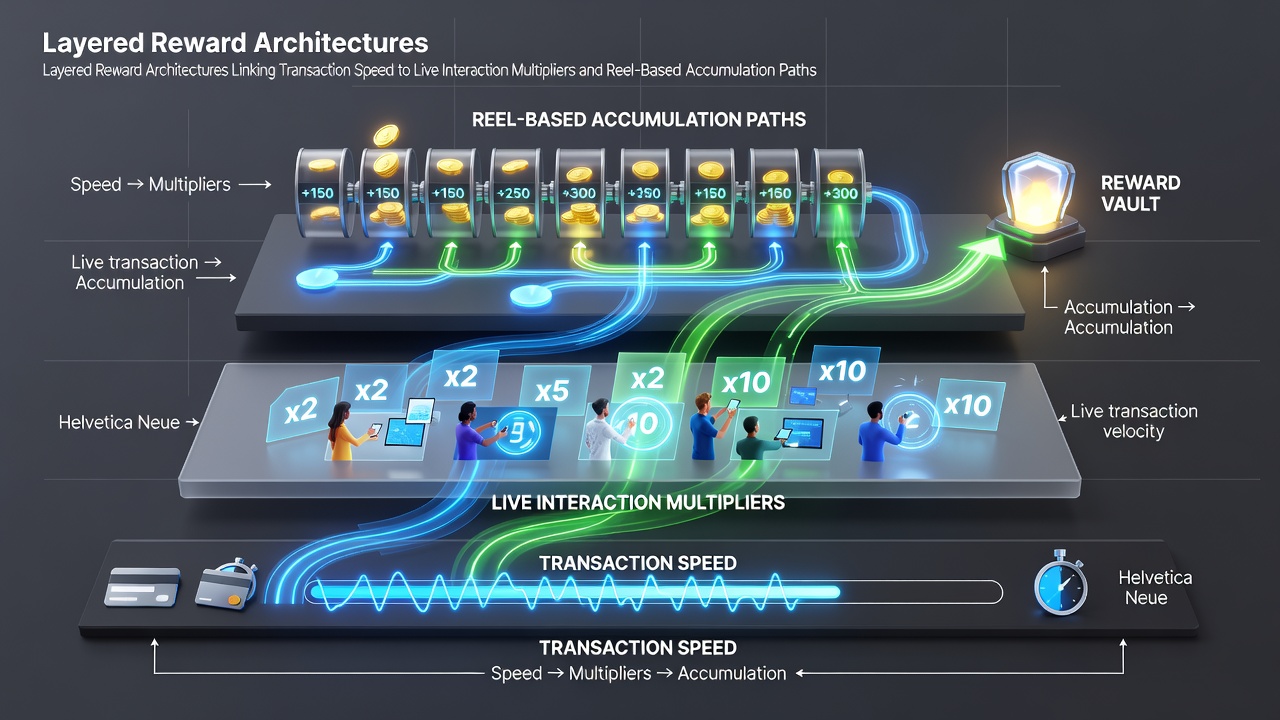
Inside Layered Reward Systems: How Transaction Speed Influences Live Multipliers and Reel Accumulation Paths
Layered reward architectures organize incentives across multiple tiers where transaction speed directly modulates access to live interaction multipliers and reel-based accumulation paths in digital gaming environments. These structures rely on real-time data processing that tracks payment velocity and adjusts multiplier values accordingly while symbols build along reel sequences during active sessions.
Designers integrate payment gateways that register deposits within seconds so players enter bonus phases with elevated coefficients applied to live dealer interactions. Data from industry reports shows that systems processing transactions under three seconds see higher engagement rates in multiplier events compared to slower counterparts. Reel accumulation functions by stacking specific symbols across spins where faster funding cycles unlock additional layers that compound values before each round resolves.
Core Components of Tiered Incentive Frameworks
Transaction speed serves as the entry point that feeds into live interaction multipliers through automated verification protocols. Observers note that platforms employing instant confirmation reduce latency between deposit and multiplier activation which in turn accelerates symbol collection on reels. Researchers from the University of Nevada Las Vegas have documented how these linkages create pathways where each completed transaction tier grants incremental boosts to accumulation rates.
Live interaction multipliers operate by scaling rewards during real-time table or chat-based features and they depend on prior reel progress to reach higher thresholds. When payment processing accelerates the system records cumulative reel data and applies it to multiplier calculations without delay. Studies indicate that this synchronization maintains session continuity while preventing drops in engagement that occur during slower funding intervals.
Reel Accumulation Mechanics and Speed Dependencies
Reel-based accumulation paths track symbol sequences across multiple game cycles where transaction velocity determines the frequency of path extensions. Faster deposits trigger additional reel segments that collect values from live interactions and feed them back into the layered reward pool. Evidence from technical analyses reveals that accumulation algorithms adjust thresholds dynamically based on payment timestamps so quicker actions yield denser symbol clusters before reset periods.
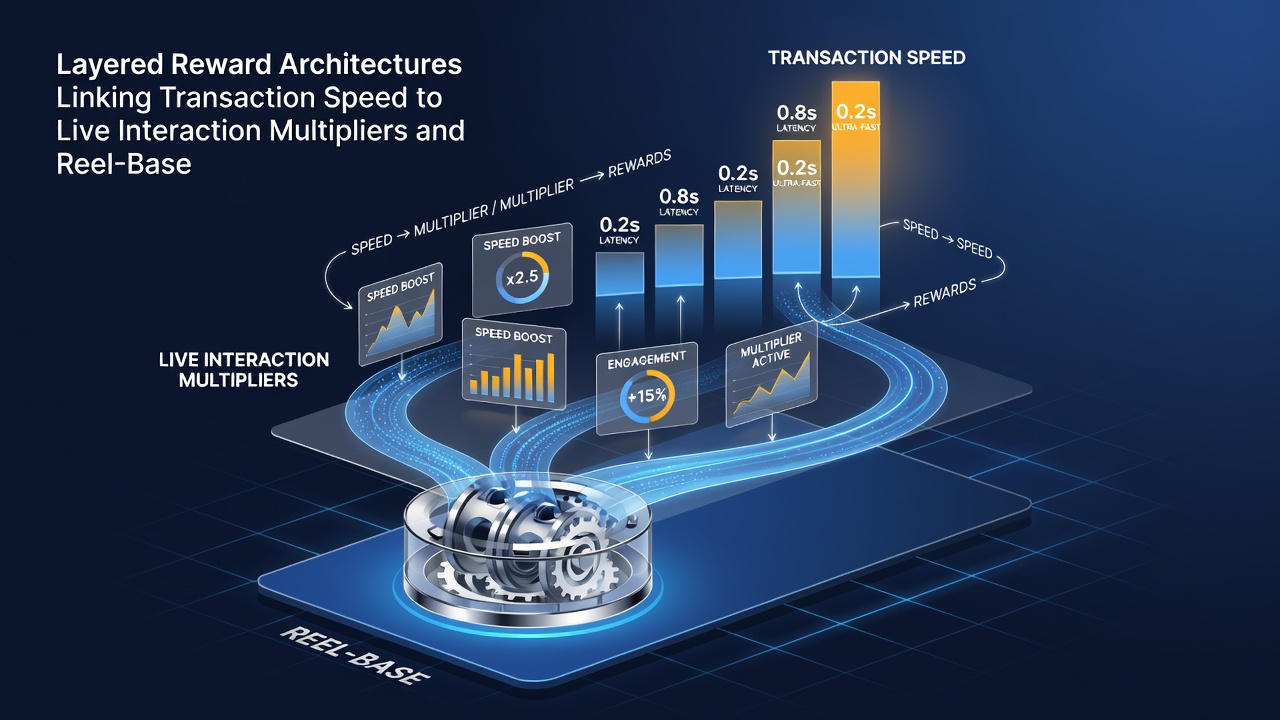
Those who have examined these architectures find that August 2026 updates in processing standards across several jurisdictions refined the timing windows that connect deposit confirmations to multiplier escalations. The adjustments allow reel paths to extend further when transactions complete within defined speed parameters and this maintains balanced progression across all reward layers.
Integration Patterns Across Gaming Platforms
Platforms combine these elements through backend protocols that log every transaction event and map it to corresponding multiplier and reel states. According to findings published by the Nevada Gaming Control Board integrated systems demonstrate measurable increases in accumulation efficiency when speed parameters align with live interaction triggers. Reel paths function as continuous trackers that accumulate partial rewards from prior multipliers and apply them forward during subsequent funded sessions.
Live multipliers receive input from reel data only after transaction verification completes which creates a sequential dependency that rewards rapid funding. Data shows that platforms using these layered connections report consistent progression rates across user sessions without requiring manual intervention. The architecture supports multiple tiers where each speed milestone unlocks higher accumulation ceilings on reels and amplifies live interaction outputs proportionally.
Technical Implementation Details
Developers employ timestamp synchronization between payment processors and game engines to ensure that transaction speed directly scales multiplier coefficients before reel sequences advance. This method prevents desynchronization that could interrupt accumulation paths during live events. Research from the Australian Gambling Research Centre highlights how such timing alignments sustain reward flow across extended play periods while maintaining data integrity across all layers.
Reel accumulation continues uninterrupted when payment speed meets or exceeds platform thresholds and this allows live multipliers to compound values collected from earlier spins. Observers note that the resulting structures create self-reinforcing cycles where each verified transaction extends both multiplier range and reel capacity simultaneously.
Conclusion
Layered reward architectures establish clear connections between transaction speed and the activation of live interaction multipliers along reel-based accumulation paths. These systems process payment data to adjust coefficients and extend symbol sequences in real time which supports continuous engagement across gaming sessions. Technical documentation and regulatory records confirm that speed parameters remain central to maintaining balanced progression through each reward tier.