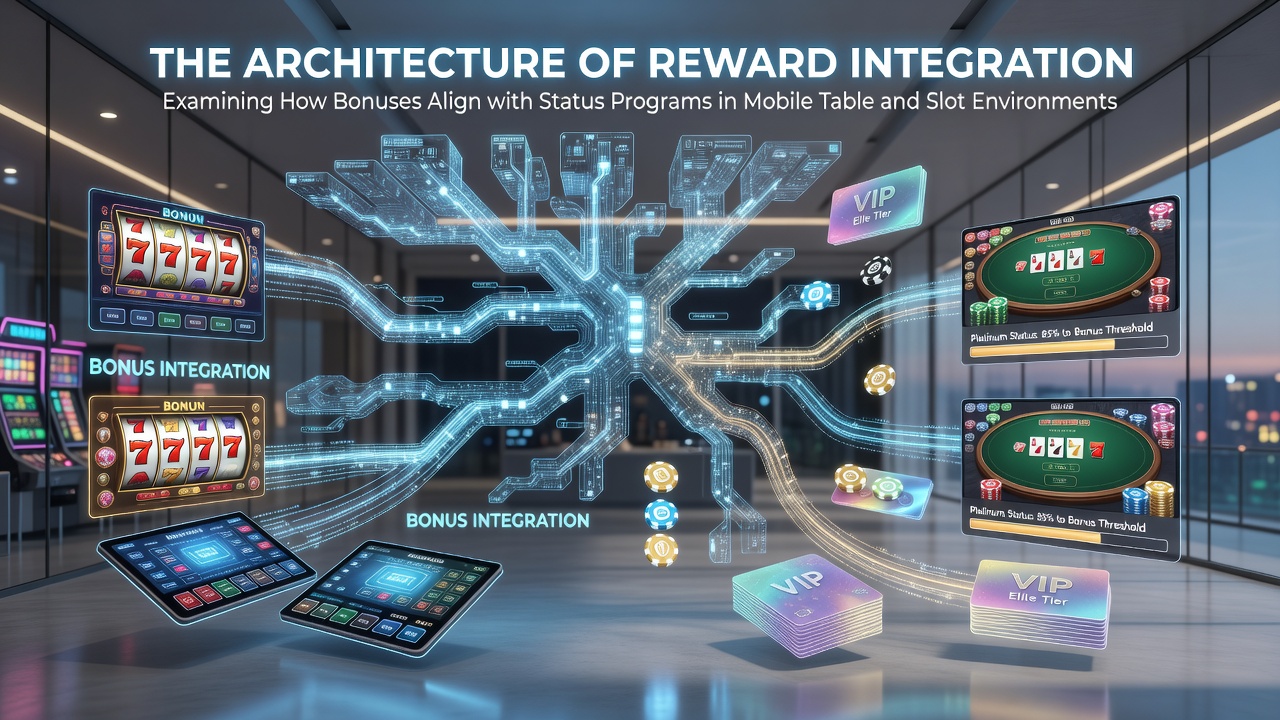
Mapping Reward Pathways: Bonus Mechanisms and Status Alignment in Mobile Slot and Table Platforms
Digital gaming platforms have developed layered systems that connect bonus distributions directly to player status tiers, and this integration shapes how rewards appear across mobile slots and table environments. Data from industry reports show that operators structure these alignments to encourage continued engagement through progressive multipliers, tiered access to exclusive features, and synchronized payout adjustments that reflect accumulated activity levels.
Core Components of Reward Architecture
Status programs operate on points accumulation models where each wager contributes to tier advancement, while bonuses function as conditional incentives that scale according to current player rank. Researchers at institutions such as the University of Nevada, Las Vegas have documented how these elements combine so that a mid-tier player receives enhanced free spin allocations on slots yet the same individual accesses reduced house-edge table variants only after crossing into higher brackets. Mobile interfaces display these alignments through unified dashboards that update in real time, allowing users to track both point totals and pending bonus eligibility without switching between separate menus.
Slot-Specific Integration Patterns
Slot environments typically embed bonus triggers within reel mechanics, yet status programs modify the frequency and scale of those triggers. Lower-tier accounts encounter standard bonus rounds at baseline rates, whereas elevated tiers receive automatic upgrades such as additional wild symbols or extended free spin sequences. Figures released by the Nevada Gaming Control Board indicate that mobile slot sessions incorporating status-linked bonuses account for measurable increases in average session duration, particularly when reward notifications appear immediately after point thresholds are met. Operators achieve this synchronization through backend algorithms that cross-reference transaction histories with tier databases, ensuring the displayed bonus value reflects the player's current standing at the moment of activation.
Table Game Reward Synchronization
Table environments present distinct challenges because gameplay involves strategic decisions rather than automated spins, so bonus alignment often appears through side bet multipliers or comped chip allocations that scale with status. Players at higher tiers gain access to live dealer tables featuring personalized rake reductions or insurance options unavailable to entry-level accounts. One analysis from the American Gaming Association highlights that mobile table sessions show stronger retention when status programs deliver bonus credits that can be applied directly to ongoing hands, creating a seamless loop between wager activity and reward availability. This approach differs from slot models because table bonuses frequently require minimum bet thresholds that themselves adjust upward as status improves, maintaining equilibrium between player progression and operator margins.

Technical Implementation Across Devices
Mobile platforms rely on unified account management systems that push tier updates and bonus recalibrations through a single API layer, eliminating discrepancies between slot and table modules. Developers implement conditional logic so that a player completing a slot bonus round automatically receives updated table privileges if their status has advanced during the same session. In August 2026 several major operators introduced cross-game loyalty trackers that consolidate points from both verticals, allowing users to view projected bonus values for upcoming table sessions while still engaged with slot reels. These systems reduce friction by presenting all reward options within one persistent navigation element rather than requiring separate logins or menu navigation.
Regulatory and Reporting Considerations
Authorities in multiple jurisdictions require operators to disclose how status tiers influence bonus probabilities and payout structures. Reports submitted to bodies such as the New Jersey Division of Gaming Enforcement demonstrate that aligned reward systems must maintain transparent audit trails so regulators can verify that higher-tier advantages do not exceed approved parameters. Data aggregation tools track the distribution of bonus funds across status brackets, revealing patterns such as increased table bonus uptake among mid-tier accounts during promotional windows. Observers note that these reporting requirements have prompted platforms to include on-screen disclaimers detailing the exact criteria used to determine bonus eligibility at each tier level.
Conclusion
Integrated reward architectures continue to evolve as mobile platforms refine the connections between bonus delivery and status progression in both slot and table settings. Current implementations demonstrate consistent use of real-time data synchronization, tier-adjusted multipliers, and unified dashboards that present reward information without disrupting gameplay flow. As regulatory frameworks expand and technical capabilities advance, these systems maintain focus on measurable alignment between player activity and available incentives across device formats.